
Polarisation is a Myth
With One Nation ascendant, those with the greatest interest in keeping us divided need us to forget how much we agree. The first progressive party to harness this properly will be unstoppable.

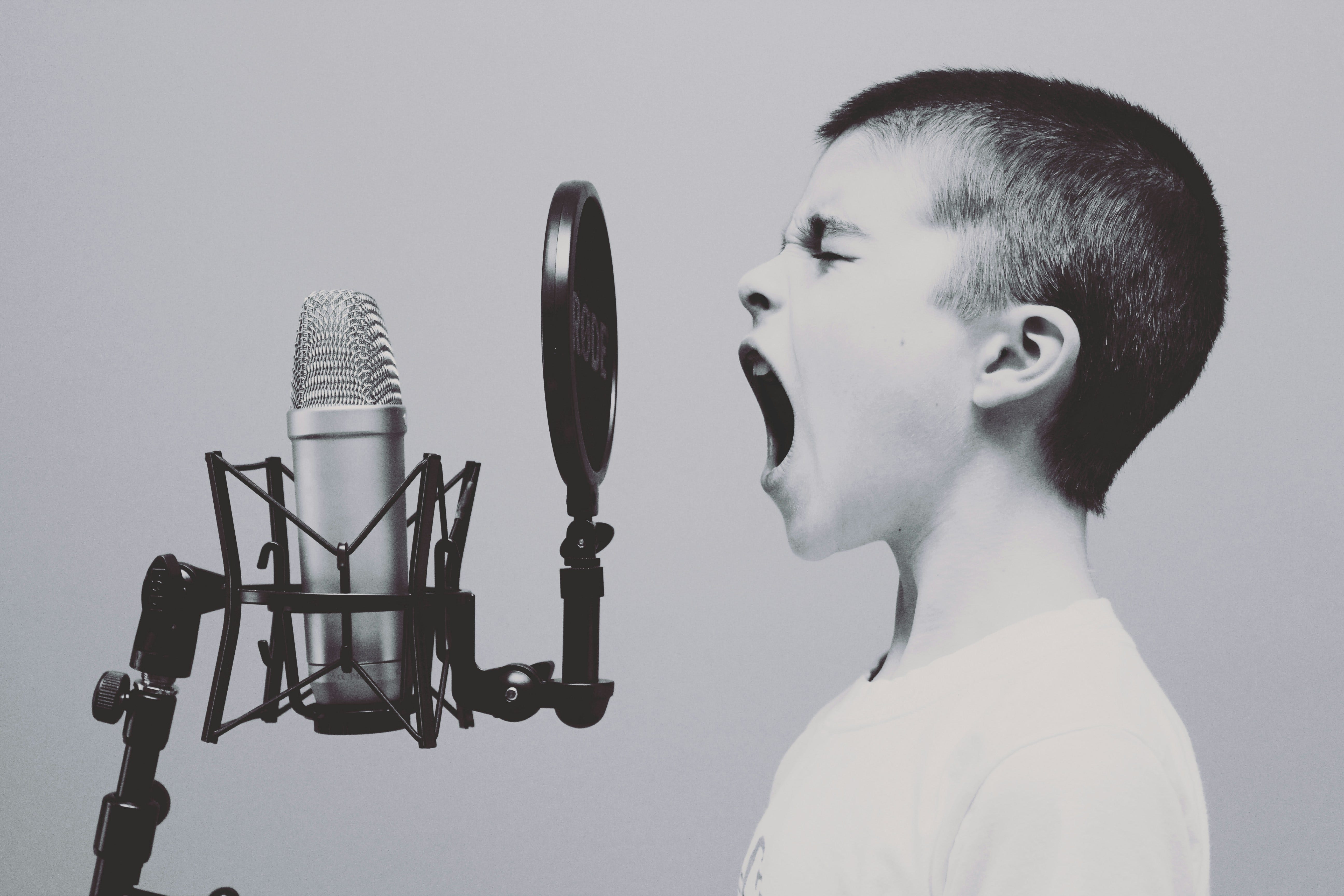
At RedBridge, after thousands of hours speaking to Australians from every conceivable background, something has struck me. One of the most consequential lies in Australian public life is that we are a deeply polarised nation.
We are not.
What we are is a nation in which socio-cultural differences have been magnified and amplified, often deliberately, by those in positions of power with an interest in preserving the economic status quo.
Divide and distract. It continues to work because the infrastructure of public discourse - the algorithms, the media business models, the bad kabuki of parliament - rewards it.
But when you sit with people, night after night, and give them the space to talk about what actually matters to them, the picture that emerges is striking in its consistency. Australians want the same things. They want to be able to afford a decent life. They want healthcare and education that works. They want their kids to have a future. They want kindness and fairness. They want to know that their neighbours are OK.
And they want a government that governs: that legislates and regulates in the public interest and stops letting only the powerful dictate terms.
The values of care, compassion, looking after your neighbour, and giving everyone a fair go are not sentimental relics or cliches. Only people who are disconnected from ordinary Australians think they are.
Imagine a family lunch: an older uncle is fighting his niece on everything from Welcome to Country to trans rights. They’re just about ready to punch on when someone changes the subject and reminds them they’re both struggling to afford the basics, while the people with the most market power keep driving up prices, profits keep climbing, and the burden keeps getting pushed onto everyone else. Watch how quickly uncle and niece start planning to man the barricades together.
These values are alive in every focus group we run, across every cohort. Even those who have fallen down conspiracy theory rabbit holes, who have bought into culture war tropes peddled by those desperate to distract from their own failures, are not incapable of compassion or reason. When they feel safe enough to think structurally rather than tribally, they shift fast.
Consider the rise of One Nation. The reflexive interpretation from the political/media class is that this represents a lurch to the far right. It does not.
What it represents is a furious rejection of the neoliberal consensus shared by both major parties: a rejection of Labor and the Coalition’s fidelity to sectional interests that lobby them to legislate (or not legislate) in ways that are manifestly counter to the national interest.
Our participants who are One Nation-curious are keen to let us know that their support is not an endorsement of the party’s full platform so much as it is a signal flare or shot across the bow. This is the only way they know how to scare the shit out of a political class that has ignored them or treated them with contempt.
So why haven’t the Greens been able to capitalise on this? After all, many of their policies align closely with what Australians tell us they want.
The answer lies in something I have come to think of as the aesthetic dimension of Australian politics.
Overwhelmingly, our participants describe themselves as centrists, even when their substantive positions are economically extremely progressive. And, particularly in urban areas and among younger regional Australians, they are socially progressive as well.
This self-described centrism is not an accurate ideological descriptor. It is a social positioning device: a way of signalling reasonableness in a political environment experienced as tribal and extreme - something most people hate almost more than they can articulate.
Australians will argue passionately for radically progressive policies, but they want those policies explained in calm, moderate language. They reject what they perceive as activist posturing with a visceral intensity because they see it as divisive. And what they crave is community connection and a sense that they and their neighbours can just get along.
The Greens have thus occupied the worst of both worlds. On one hand, they engage in incrementalist policy skirmishes (rent caps are a good example) that fail to cut through because they are not a transformative vision of true structural change.
On the other hand, the Greens deploy activist language that has our participants characterising them as extreme. A raised fist or presence at demonstrations signals something that most people recoil from, particularly in such chaotic times. That is when people tell us that they retreat to the ‘safety’ of Labor even as Labor invariably disappoints them.
So we are now in a race: the first progressive party that presents a broad, overarching vision of what a properly social democratic Australia would look like materially, would, quite simply, dominate the Australian political consciousness.
This is the party that can most clearly and calmly explain what life would feel like with genuinely universal healthcare, properly funded education, aged care and childcare run for the public good rather than private profit, and adequate housing.
People get it immediately when you explain how prevention of social ills saves a fortune in hospitals and prisons.
People would get it just as fast if you explain that to pay for it all, you’d end government waste on consultants and failed privatised programmes.
You’d need to do so in a calm, simple story rather than a collection of disconnected policy positions.
And herein lies a paradox. People do not trust anyone in power: not politicians, not business, not the media. But while they expect business and media to prioritise the bottom line, they still expect government to take care of them, to regulate for the common good. That expectation, battered as it is, persists.
Australians are not polarised. We all want the same thing. And whoever works that out first and communicates it at scale has the chance to reshape Australian politics.